
Saturday, January 17, 2026
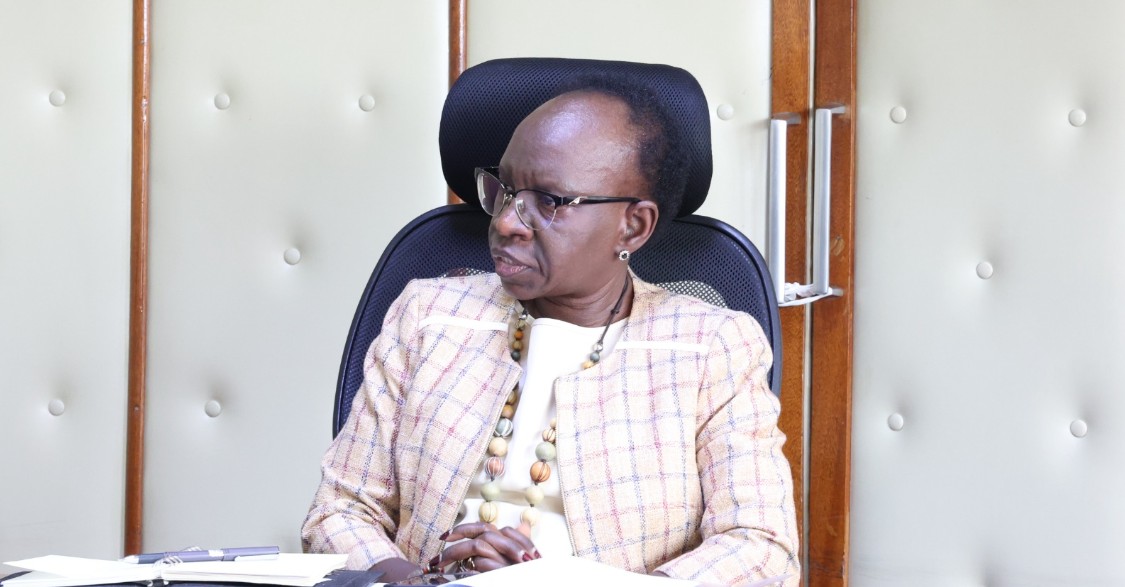
Audit General Nancy Gathugu
The government’s relief food programmes are under scrutiny after Auditor General Nancy Gathungu flagged serious gaps in policy, oversight, and accountability.
In her audit for the 2024/25 financial year, Gathungu found that the State Department for Arid and Semi-Arid Lands (ASALs) lacks a formal policy framework to guide relief food operations, raising concerns over whether aid reaches the most vulnerable.
She said the department does not properly monitor the distribution of food and non-food items and keeps poor records on billions of shillings spent on relief programmes.
“Review of processes at the state department revealed that the Directorate for Special Programmes, which oversees national relief food operations, does not have a formally approved and published policy framework,” Gathungu said.
The absence of clear guidelines has left critical areas — including beneficiary identification, roles of distribution committees, stock tracking, and reporting — poorly managed.
“As a result, key operational areas such as beneficiary targeting, documentation of stock movements, and oversight responsibilities remain undefined,” she noted.
The audit further found that there were no Key Performance Indicators (KPIs), baseline targets, or evaluation tools to assess whether relief efforts were effective or timely.
“Consequently, relief assistance was distributed without measurable objectives or mechanisms to determine whether interventions addressed food insecurity or beneficiary needs,” the report states.
The findings come at a time when the government spent more than Sh8 billion on drought response during the year, while over two million people required humanitarian assistance.
According to the National Drought Management Authority (NDMA), 2.1 million Kenyans needed aid as of February 2025. The number is expected to drop to 1.76 million by September 2025 before rising again to 2.2 million in January 2026, with Turkana, Marsabit, and Mandera most affected.
NDMA warned that the situation could worsen between July 2025 and January 2026 due to poor performance of the October–December short rains.
It recommended that the government allocate at least Sh16.45 billion between August 2025 and January 2026, including Sh4 billion for food, non-food items, and cash transfers.
Gathungu also criticised the lack of feedback mechanisms, saying relief operations were carried out with minimal accountability.
“In the circumstances, it was not possible to confirm whether the relief interventions achieved their intended objectives,” she said.
- Log in to post comments

